Security conversations around hosting environments often start in the wrong place.
Many buyers immediately think about:
- locked doors
- surveillance cameras
- facility access
Those things matter.
But secure hosting environments are rarely built around a single layer of protection.
Security is usually created through a combination of:
- infrastructure design
- operational processes
- controlled access
- continuity planning
- visibility and accountability
For organizations evaluating infrastructure environments, security is less about appearing protected and more about reducing operational uncertainty.
Here’s what to look for.
Security Starts With Infrastructure Reliability
A secure environment is difficult to maintain if systems become unstable.
Infrastructure resilience supports security by reducing:
- unexpected interruptions
- operational workarounds
- emergency access situations
- recovery pressure
Evaluate:
- power redundancy
- environmental controls
- maintenance practices
- operational consistency
Questions to ask:
- How is infrastructure maintained?
- What protects operations during failures?
- How is continuity supported?
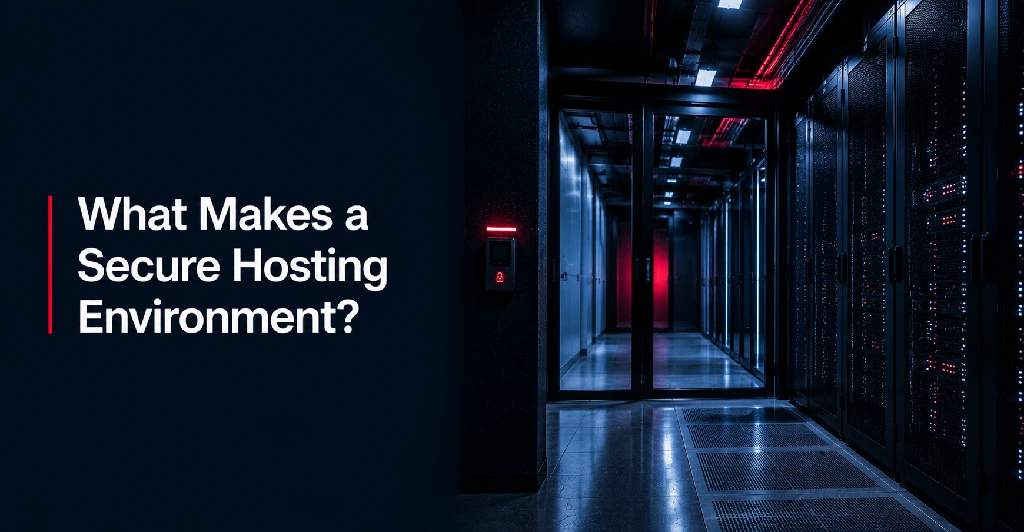
Physical Security Is Still Important — But It’s Only One Layer
Physical infrastructure remains foundational.
Evaluate:
- controlled access procedures
- visitor management
- access authorization
- monitoring practices
- environmental controls
Questions to ask:
- Who can physically access infrastructure?
- How is access documented?
- What happens during exceptions?
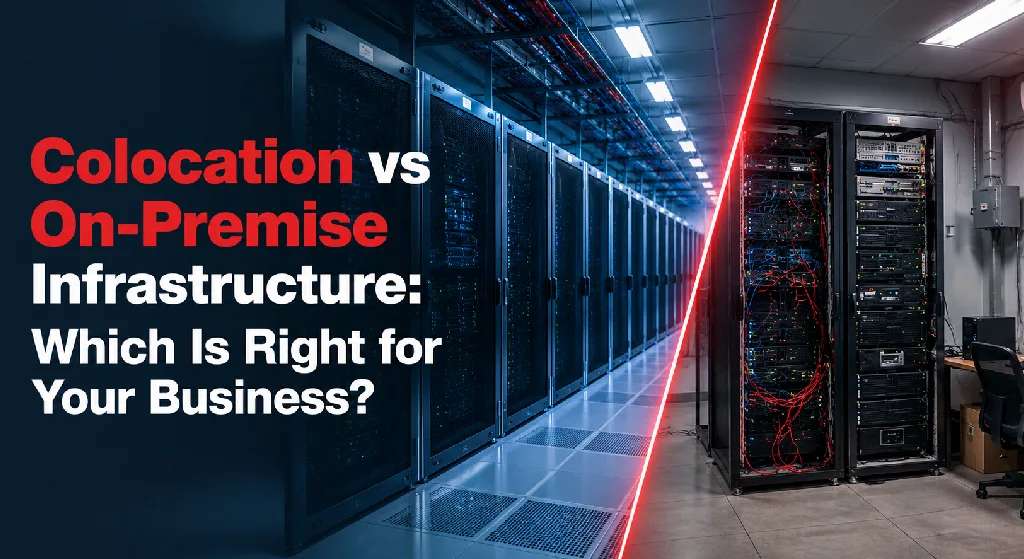
Good security should feel intentional rather than restrictive. Organizations comparing providers often benefit from reviewing guidance on what to look for in a colocation provider before making infrastructure decisions.
Access Control Often Reveals Security Maturity
One of the simplest indicators of operational security is understanding how access decisions are made.
Strong environments usually define:
- who gets access
- when access changes
- approval processes
- accountability
Questions to ask:
- How are permissions managed?
- How quickly are access changes implemented?
- What approval process exists?
Security maturity is often reflected through operational discipline and support structure, especially when providers offer ongoing management and support services.
Connectivity Security Matters More Than Buyers Expect
Hosting security is not only about where systems live.
It also includes how they communicate.
Evaluate:
- connectivity architecture
- bandwidth flexibility
- infrastructure segmentation
- operational visibility
Questions to ask:
- How flexible is connectivity?
- Are environments isolated appropriately?
- How is infrastructure traffic managed?
For organizations balancing hybrid infrastructure strategies, understanding the differences between colocation vs. cloud hosting and modern cloud computing environments can help clarify security and operational priorities.
Disaster Recovery Is Part of Security
Many organizations separate security and recovery planning.
Operationally, they often overlap.
Questions to ask:
- What recovery environments exist?
- How quickly can operations return?
- How are continuity decisions handled?
Secure environments should reduce both:
- data exposure
- operational interruption
Related Guide: Disaster Recovery vs Backup Strategies
Operational Processes Often Matter More Than Technology
Technology supports security.
Processes sustain it.
Evaluate:
- incident procedures
- escalation practices
- communication expectations
- operational ownership
Questions to ask:
- How are incidents managed?
- Who owns response decisions?
- What reporting exists?
A secure environment should feel predictable under pressure.
Visibility Builds Confidence
Organizations usually trust environments they understand.
Visibility may include:
- operational reporting
- support communication
- infrastructure monitoring
- change awareness
Questions to ask:
- What reporting exists?
- How frequently are updates shared?
- What visibility do customers receive?
Security Should Scale With Growth
Security requirements evolve.
Infrastructure that feels sufficient today may become restrictive later.
Evaluate:
- expansion readiness
- access scalability
- operational maturity
- support flexibility
Questions to ask:
- Will controls scale with growth?
- What changes operationally as environments expand?
Secure Hosting Evaluation Framework
| Security Area | Questions to Ask |
| Infrastructure Reliability | How is operational continuity protected? |
| Physical Security | How is access managed? |
| Access Controls | Who approves and tracks access? |
| Connectivity | How is infrastructure protected operationally? |
| Disaster Recovery | How quickly can operations recover? |
| Processes | How are incidents handled? |
| Visibility | What reporting and communication exist? |
| Scalability | Will controls support future growth? |
Common Security Evaluation Mistakes
Mistake 1: Assuming physical security equals infrastructure security.
Mistake 2: Treating disaster recovery separately from operational resilience.
Mistake 3: Ignoring support and communication processes.
Mistake 4: Overlooking future growth requirements.
Mistake 5: Choosing environments based primarily on specifications.
Organizations evaluating providers may also benefit from reviewing:
- how to choose a data center provider
- questions to ask before signing with a data center
- shared rack vs. private cage comparisons
Final Thoughts
Secure hosting environments are rarely created through one decision.
They emerge from infrastructure, processes, recovery planning, operational visibility, and disciplined execution.
Organizations evaluating hosting providers often benefit from asking:
Will this environment still feel secure as our operations become more important?
That question tends to reveal more than technical specifications.
Evaluating hosting environments? Talk with Sierra Data Centers about infrastructure designed around operational reliability, secure environments, business continuity, and long-term growth.
FAQs
What makes a hosting environment secure?
Security is typically influenced by infrastructure reliability, controlled access, operational processes, connectivity, and recovery readiness.
Is physical security enough?
No. Physical protection is important, but operational processes and continuity planning matter too.
Why is disaster recovery related to security?
Recovery planning supports operational resilience and reduces business disruption.
Does connectivity affect security?
Connectivity decisions can influence operational flexibility and infrastructure control.
How should businesses evaluate hosting providers?
Look beyond specifications and understand reliability, support, recovery, visibility, and growth readiness.