
MANUFACTURING INFRASTRUCTURE SOLUTIONS
Data Center Services for Manufacturers
Move ERP, MES and plant systems out of the server closet into a Pittsburgh facility with 99.997% uptime, diverse carriers and remote hands on site.
When the Server Closet Stops, the Line Stops
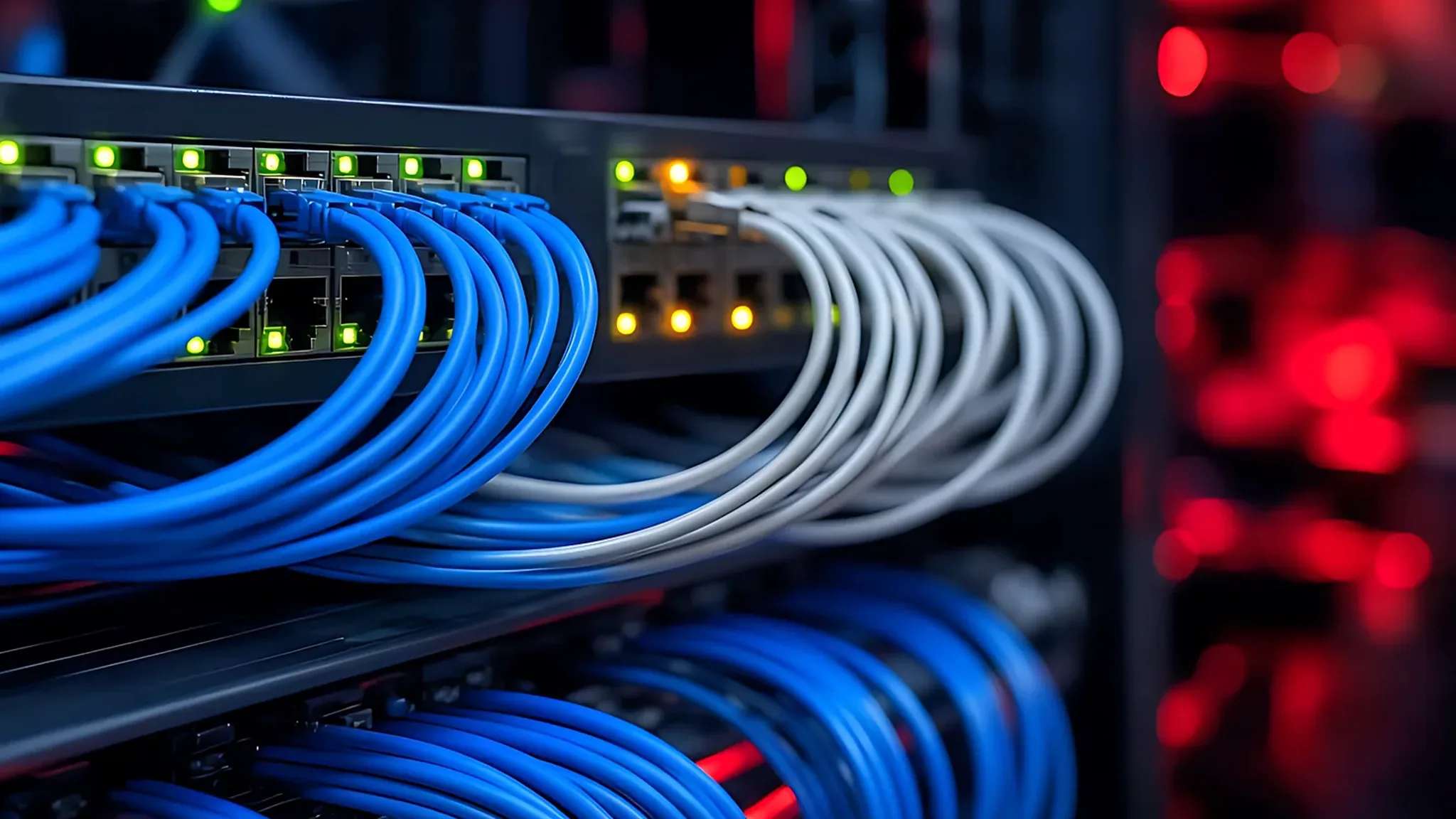
Plants run on ERP, scheduling, quality and shipping systems, and many of them still live in a closet next to the shop floor. Heat, dust, a single internet line and one power feed make that closet the weak point.
The Pittsburgh Technology Bunker gives those systems 1.54 MW of power fed by three utility substations, air cooling with chillers and commercial HVAC systems, and carriers including Verizon, Lumos, DQE Communications, Cogent, Metro Optical and Fidium Fiber.
How Manufacturers Use Sierra
Colocation
ERP and production servers in rack space you control, close enough to drive to.
Learn moreDisaster Recovery
A second copy of plant systems in Pittsburgh or Metro Columbus.
Learn moreConnectivity
Carrier-neutral connectivity in the data center, and telecom services for each plant through our telecom master agent team.
Learn moreRemote Hands
Reboots, console work and troubleshooting without sending someone from the plant.
Learn more
Multiple Plants, One Partner
If you run several plants or warehouses, Sierra can host the shared systems in the data center and, as a telecom master agent, source internet and voice for each site. Our sister company Sierra Experts can manage the IT at each location.
Frequently Asked Questions
Which manufacturing systems belong in a data center?
Usually ERP, MES, scheduling, file servers and anything else the plant can't run without.
What if a system needs hands-on work?
Our remote hands team can reboot, connect a console for your team, or troubleshoot.
Can you help with connectivity at the plant?
Yes. As a telecom master agent, Sierra sources carrier services for plants, offices and remote sites.
Where are your data centers?
Downtown Pittsburgh and Metro Columbus.
Get Plant Systems Out of the Closet
Tell us what runs your plant today, and we'll size space, power and carriers for it. 412.722.0707.