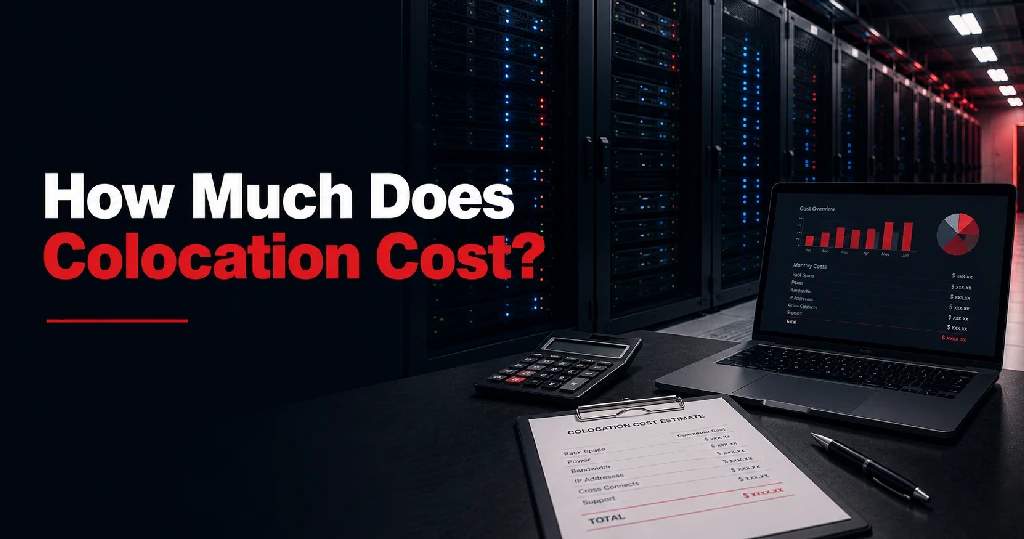
When organizations begin evaluating colocation services, one of the first questions they ask is: “How much does colocation cost?”
The answer depends on several factors, including the amount of space required, power consumption, connectivity needs, and support services. Unlike cloud services that are often priced by usage, colocation pricing is typically based on physical infrastructure requirements.
Understanding the components that influence colocation costs can help businesses make informed decisions and avoid unexpected expenses.
Understanding Colocation Costs
Colocation is a service that allows businesses to place their own servers and IT equipment inside a professionally managed data center.
Instead of investing in a private facility, organizations lease space, power, cooling, and connectivity within an enterprise-grade environment.
The total cost of colocation typically includes:
- Rack space
- Power usage
- Network connectivity
- Remote support services
- Additional security or compliance requirements
The more infrastructure your organization requires, the higher the monthly investment.
For businesses new to this infrastructure model, understanding what colocation is and how it works can help clarify what services are included and how costs are structured.
Typical Colocation Pricing Models
Most data centers structure colocation pricing around one or more of the following models.
By Rack Unit (U)
For smaller deployments, businesses may rent individual rack units.
Examples include:
- 1U server
- 2U appliance
- 4U storage system
This option is common for small businesses with limited infrastructure needs.
By Partial Rack
Organizations that require multiple servers may lease a portion of a cabinet.
This provides:
- Dedicated space
- Shared infrastructure costs
- Room for future growth
By Full Rack
A full rack typically provides approximately 42U of usable space.
This option is often selected by:
- Growing businesses
- Software companies
- Healthcare organizations
- Financial institutions
Private Cage or Suite
Larger deployments may require dedicated secure environments.
Private cages and suites offer:
- Additional security
- Greater scalability
- Compliance support
- Dedicated access controls
These environments generally represent the highest colocation investment.
Businesses comparing facility options should also review what to look for in a colocation provider to evaluate factors beyond pricing.
Rack Space Costs
Rack space is one of the primary factors affecting colocation pricing.
The amount you pay depends on:
- Rack size
- Cabinet type
- Physical footprint
- Security requirements
For example, a business colocating a few servers will typically spend far less than an enterprise occupying multiple racks or private cages.
As infrastructure grows, organizations often move from individual rack units to full cabinets and eventually private environments.
When evaluating pricing, it’s important to consider both current requirements and future growth plans.
Power Requirements
Power consumption is often one of the largest contributors to colocation costs.
Data centers typically allocate power based on:
- Kilowatts (kW)
- Circuit capacity
- Power density requirements
Modern servers, storage arrays, and AI workloads can consume significant amounts of electricity.
Higher-density environments require:
- Additional power delivery
- Enhanced cooling systems
- Increased infrastructure support
Organizations running power-intensive applications should carefully assess future consumption when comparing providers.
Why Power Matters
A lower rack cost may appear attractive initially, but insufficient power capacity can create limitations later.
Many businesses find that power availability becomes more important than physical rack space as infrastructure grows.
Bandwidth Costs
Connectivity is another key component of colocation pricing.
Bandwidth costs depend on:
- Internet usage
- Network speed requirements
- Redundancy needs
- Number of carriers utilized
Businesses with customer-facing applications, cloud integrations, or large data transfers often require more bandwidth than organizations running internal systems.
Common Connectivity Options
Many facilities offer:
- Dedicated internet access
- Carrier-neutral connectivity
- Private network connections
- Cloud on-ramps
- Redundant network paths
While enhanced connectivity may increase monthly costs, it can significantly improve performance and business continuity.
Organizations evaluating connectivity and infrastructure options can compare colocation vs cloud hosting to understand which approach better supports their technical requirements.
Remote Hands Services
Remote hands services provide on-site technical assistance when your IT team cannot physically access the facility.
Common services include:
- Equipment reboots
- Cable management
- Hardware replacement
- Visual inspections
- Server installations
For businesses operating across multiple locations, remote hands can reduce travel costs and improve response times.
Some providers include limited support within monthly contracts, while others bill these services separately.
When comparing colocation costs, it’s important to understand what level of support is included.
Factors That Increase Colocation Pricing
Several factors can raise the overall cost of a colocation deployment.
Higher Power Density
Power-intensive workloads require additional infrastructure support.
Additional Security Measures
Examples include:
- Private cages
- Dedicated suites
- Biometric access controls
- Compliance-focused environments
Security is another major factor when selecting a facility. Businesses can learn more about how secure colocation is and how colocation security works before making infrastructure decisions.
Redundant Connectivity
Multiple carriers and failover connections increase resiliency but may also increase costs.
Compliance Requirements
Organizations in regulated industries may require infrastructure supporting:
- HIPAA
- PCI DSS
- SOC compliance
- Financial regulations
Geographic Location
Facilities located in major metropolitan areas often have different pricing structures than regional markets.
However, regional data centers can frequently offer competitive pricing while maintaining enterprise-grade reliability.
Scalability Requirements
Businesses planning rapid growth may choose infrastructure that supports future expansion, increasing initial investment but reducing future migration costs.
Why the Lowest Cost Is Not Always the Best Option
When evaluating colocation providers, focusing solely on monthly pricing can be a costly mistake.
A lower price may come with compromises in:
- Reliability
- Security
- Network quality
- Support responsiveness
- Power redundancy
Downtime, outages, or inadequate infrastructure can cost far more than the savings achieved through a lower monthly contract.
Consider Total Business Impact
The true value of colocation extends beyond rack space.
A quality provider delivers:
- Consistent uptime
- Strong security controls
- Carrier-neutral connectivity
- Responsive support
- Business continuity protection
These factors directly affect operational stability and long-term business performance.
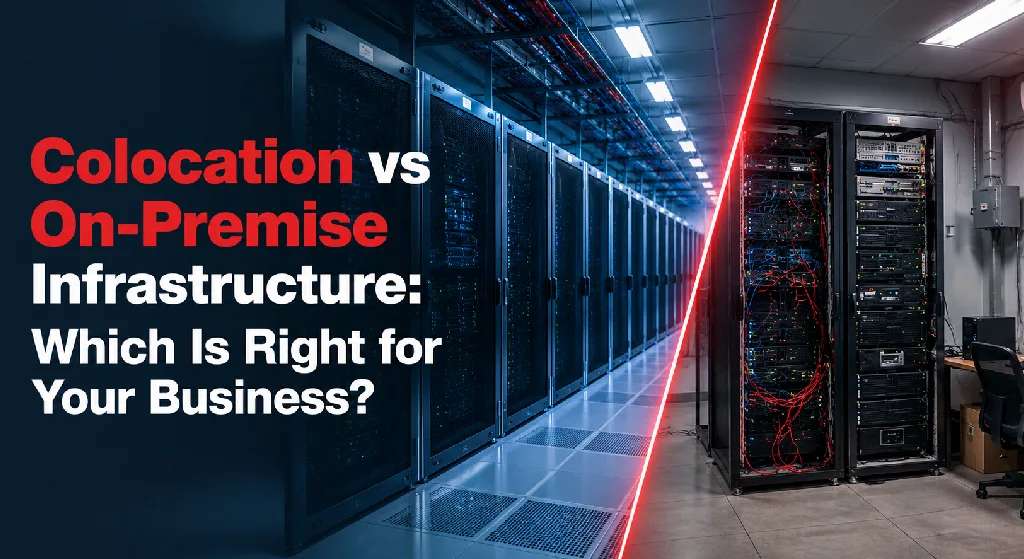
Organizations deciding between building their own facility and using an external provider can explore build vs colocate to better understand cost and operational differences.
Questions to Ask Before Requesting a Quote
To accurately estimate colocation costs, consider the following:
- How many servers will be deployed?
- How much rack space is required?
- What are your current power needs?
- How much bandwidth do you consume?
- Do you require redundant connectivity?
- Will remote hands support be necessary?
- Are there compliance requirements to consider?
- How much growth do you expect over the next three to five years?
The more clearly you define your requirements, the easier it becomes to compare providers and pricing structures.
Final Thoughts
Colocation costs vary based on infrastructure requirements, power consumption, connectivity needs, and operational support services.
While businesses often focus on monthly pricing, the most important consideration is value. A reliable colocation facility provides the security, uptime, scalability, and connectivity necessary to support critical business operations.
Businesses looking for dedicated infrastructure solutions can explore Sierra Data Centers and their colocation services to understand available options.
Rather than asking, “What is the cheapest colocation option?” organizations should ask, “Which colocation provider offers the best long-term value for our infrastructure?”
By evaluating both costs and capabilities, businesses can make a smarter investment that supports growth, resilience, and performance for years to come.
If you need help evaluating your infrastructure requirements or want to discuss colocation options, you can contact Sierra Data Centers for more information.