
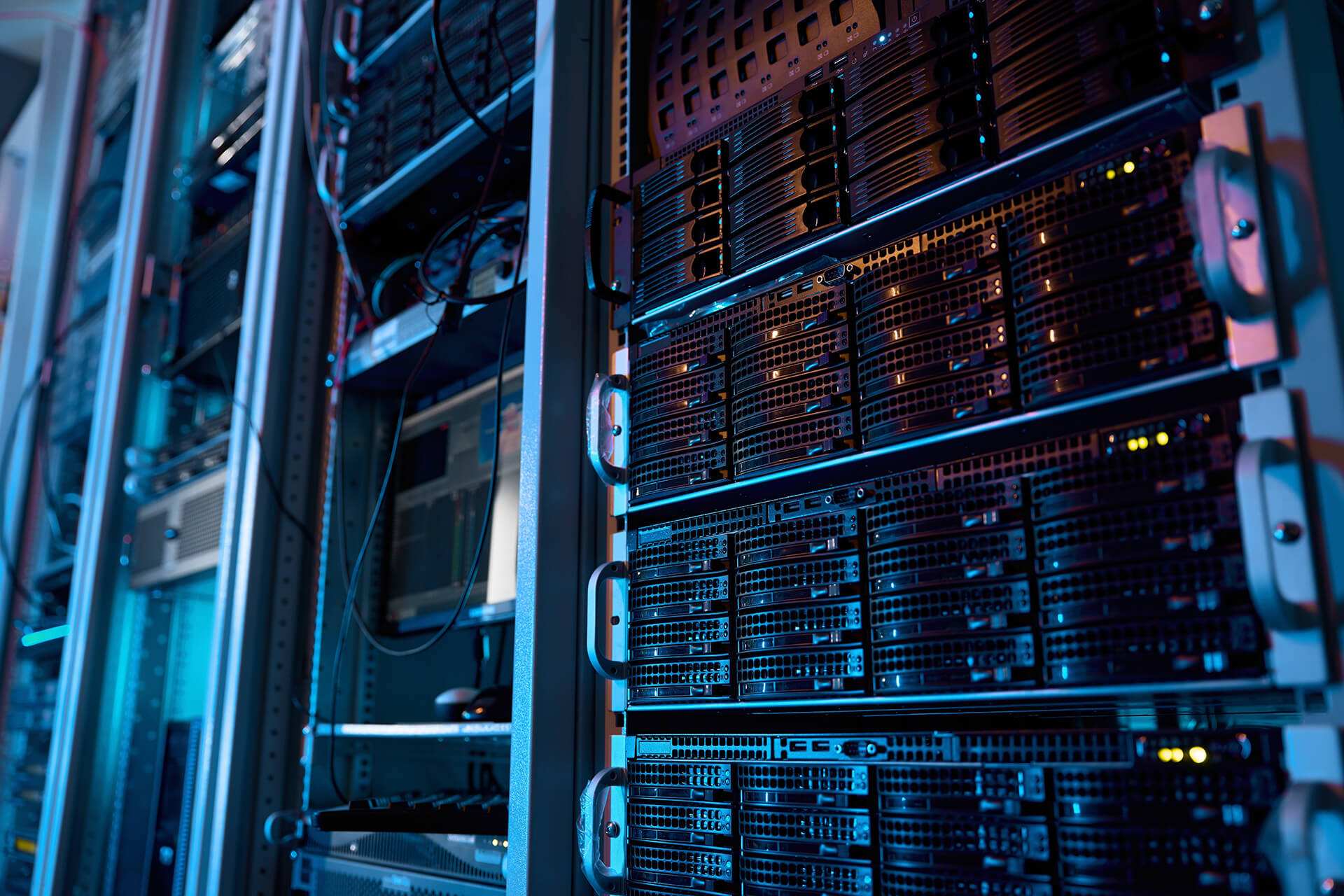
Colocation Your Way
in Pittsburgh & Metro Columbus
À la carte colocation, from small configurations through cabinets and private suites, with carrier-neutral connectivity, data center hosting and disaster recovery. Plus telecom services for every office and branch you run.
Cris D., Switchblade Entertainment Group: “Sierra worked with us – at our pace – in order to help make our production happen. We recommend them for their data hosting services and for the way in which they provide support.”
- SOC 1 Type II Audited
- Carriers in the Building: Verizon, Lumos, DQE Communications, Cogent, Metro Optical, Fidium Fiber & More
- Woman-Owned
- Downtown Pittsburgh
- 99.997% Uptime
- 24x7 Support
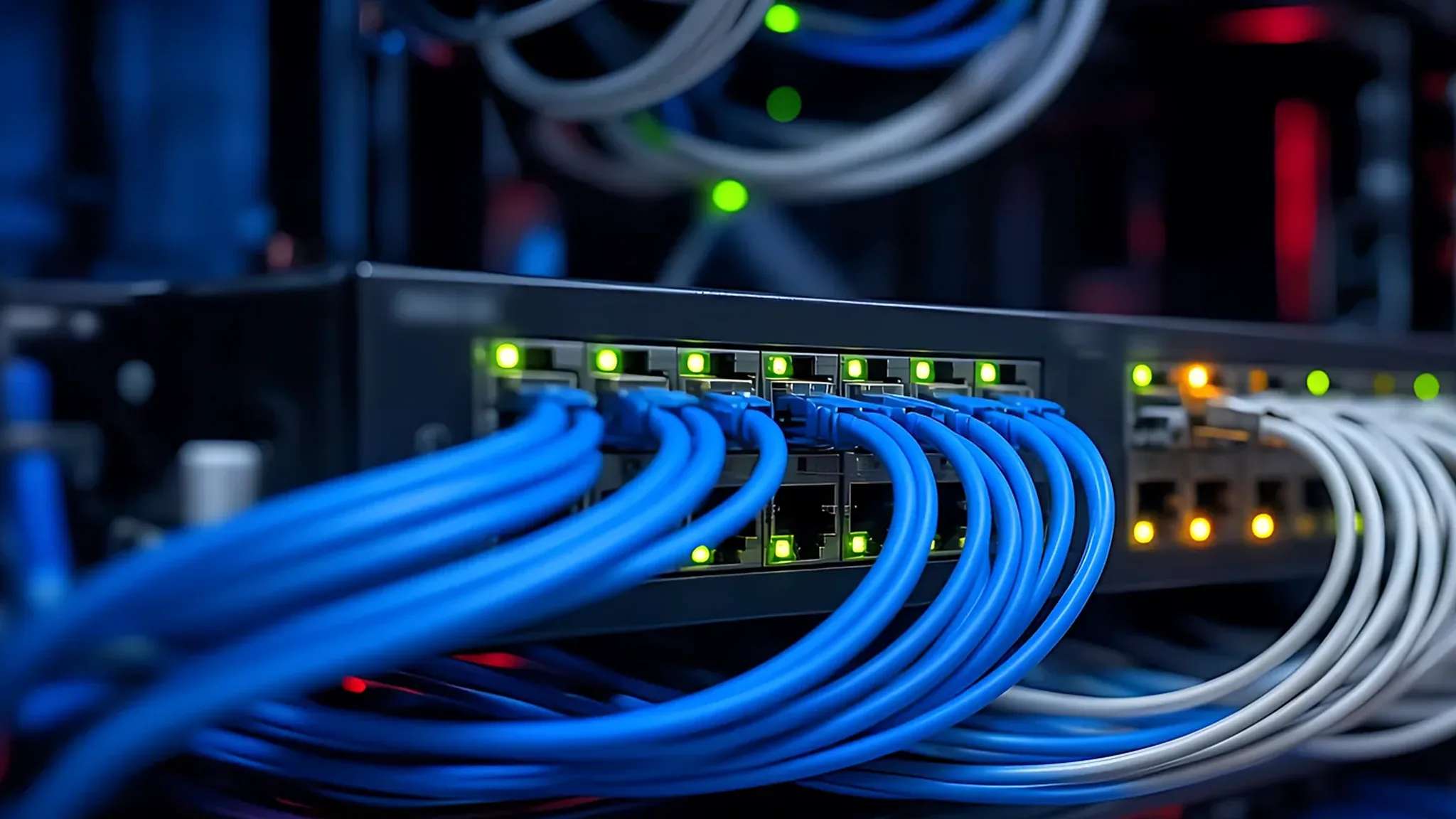
Why Businesses Choose Sierra Data Centers
Sierra Data Centers gives you a professionally managed home for your infrastructure in Pittsburgh and Metro Columbus. Colocation is à la carte: start with a small configuration, grow into full cabinets, or move into a private cage or suite.
Our facilities are carrier-neutral, and as a telecom master agent we can also source internet, network and voice services for your offices, branches and remote sites, wherever they are. One team, one point of contact.
Data Center & Connectivity Services
Colocation
À la carte colocation, from small configurations through full cabinets, with space, power, cooling and connectivity for your equipment.
Learn More about ColocationPrivate Cages & Suites
Dedicated, access-controlled space for organizations that need separation and room to grow.
Learn More about Private Cages & SuitesData Center Hosting
Hosted infrastructure in a professionally managed facility, without building your own server room.
Learn More about Data Center HostingDisaster Recovery
Secondary site and recovery planning to support business continuity when your primary environment is disrupted.
Learn More about Disaster RecoveryConnectivity Solutions
Carrier-neutral connectivity inside our facilities, so you can choose the carriers that fit your requirements.
Learn More about Connectivity SolutionsTelecom Master Agent
Carrier and telecom services for your offices, branches and sites anywhere, not just inside the data center.
Learn More about Telecom Master AgentThe right data center partner is crucial to your success
Sierra Data Centers combines regional facilities with flexible colocation and carrier-neutral connectivity. We help you right-size your footprint today and plan for what comes next, from a few rack units to a private suite.
Because we're also a telecom master agent, the same team can compare carrier options for every office and branch you run, so connectivity inside and outside the data center is coordinated.
- À la carte footprints
- Carrier-neutral connectivity
- Private cages & suites
- Disaster recovery planning
- Telecom quotes across carriers
- Facility tours available
Pittsburgh & Metro Columbus
Data centers in two regional markets, close to the teams that rely on them.
Read more: Pittsburgh & Metro Columbus ›Carrier-Neutral
Choose your carriers inside our facilities instead of being locked into one provider.
Read more: Carrier-Neutral ›À La Carte Colocation
Start small and add cabinets, cages or a private suite as your footprint grows.
Read more: À La Carte Colocation ›One Point of Contact
One team for colocation and for telecom services at every location you operate.
Read more: One Point of Contact ›The Pittsburgh Technology Bunker at a Glance
Our Pittsburgh data center in Downtown Pittsburgh: carrier-neutral colocation, private cages and suites, hosting and disaster recovery.
- Power
- 1.54 MWFed by three utility substations
- Floor space
- 3 floors4,500 sq ft per floor
- Availability
- 99.997%Uptime
- Clients
- 38 statesand 3 countries
Carriers in the building include Verizon, Lumos, DQE Communications, Cogent, Metro Optical and Fidium Fiber, and more.
Hear from Sierra Customers
“We work in a fast-paced and rapidly changing business environment and Sierra worked with us – at our pace – in order to help make our production happen. We recommend them for their data hosting services and for the way in which they provide support.”
“Sierra has been amazing from our first call! We have very clear and respectful communication with one another, where it feels like a partnership vs. just a vendor relationship. Their response time is unlike what we had in the past, and if one of the tech’s isn’t able to respond – we’ve heard from Bruce himself. Everyone at Sierra has been willing to offer support and has been transparent along the way.”
“Sierra has been a pleasure to deal with for the past decade. Bruce and his team are very professional and take a personal interest in my account. I highly recommend building a relationship with the Sierra team.”
Latest Blog Posts
Practical guidance on colocation, hosting, disaster recovery and connectivity.
How to Choose a Data Center for Multi-Location Businesses
Learn how to choose a data center for multi-location businesses with secure colocation, redundancy, disaster recovery, connectivity, and scalability.

Pittsburgh Colocation: What Local Businesses Should Consider
Discover what Pittsburgh businesses should consider when choosing colocation, including security, uptime, power, connectivity, disaster recovery, and growth.
Why Manufacturers Need Reliable Data Center Infrastructure
Improve manufacturing uptime with secure colocation, backup, disaster recovery, carrier-neutral connectivity, and scalable data center infrastructure.
Connectivity for every location, not just the data center.
Sierra Data Centers is a telecom master agent. We source and compare carrier services, from large carriers to Metro Optical and Comcast Business (Xfinity), no matter the location: any office, branch or remote site, anywhere, not just near our data centers.
Master
Agent
Frequently Asked Questions
Where are Sierra Data Centers facilities located?
Sierra Data Centers operates data centers in Pittsburgh and Metro Columbus. Our Pittsburgh facility is The Pittsburgh Technology Bunker, located in Downtown Pittsburgh.
What sizes of colocation do you offer?
Colocation is à la carte, from small configurations through full cabinets, private cages and private suites.
Are your data centers carrier-neutral?
Yes. Our facilities offer carrier-neutral connectivity, so you can choose the carriers that meet your requirements.
Can you provide internet and phone service for our offices, not just the data center?
Yes. As a telecom master agent, Sierra Data Centers resells carrier and telecom services, from large carriers to Metro Optical and Comcast Business (Xfinity), for your offices, branches and sites anywhere.
How do I get a quote or schedule a tour?
Use our contact form, email Sales@SierraDC.com or call 412.722.0707.
Come See The Pittsburgh Technology Bunker
Schedule a tour, get a colocation quote, or ask us anything. Call 412.722.0707 or email Sales@SierraDC.com.